Countertops
Why seal your countertop
Sealing your countertops is essential for protecting natural stone surfaces (like granite or marble) against stains, moisture damage, and etching. Because natural stone is porous, sealers act as a protective barrier that repels spills and prevents bacteria from absorbing into the material.
Key Reasons to Seal Your Countertops
-
Stain Prevention: Unsealed stone can quickly absorb liquids like coffee, wine, oils, and juices, leaving permanent dark spots or discolorations.
-
Hygiene and Bacteria Control: Sealing fills in microscopic holes where food particles and moisture can gather and harbor harmful mold or bacteria.
-
Easier Maintenance: A properly sealed surface repels liquids, making daily cleaning with a simple stone cleaner incredibly quick and hassle-free.
-
Extended Longevity: By blocking moisture and limiting exposure to acidic items (like lemon juice), sealers prevent premature dulling, cracking, or etching.
How Often to Reseal
The frequency of sealing depends on your countertop material and how heavily the kitchen is used:
-
Marble: Requires more frequent care, often needing resealing every 3 to 12 months due to its higher porosity and sensitivity to acids.
-
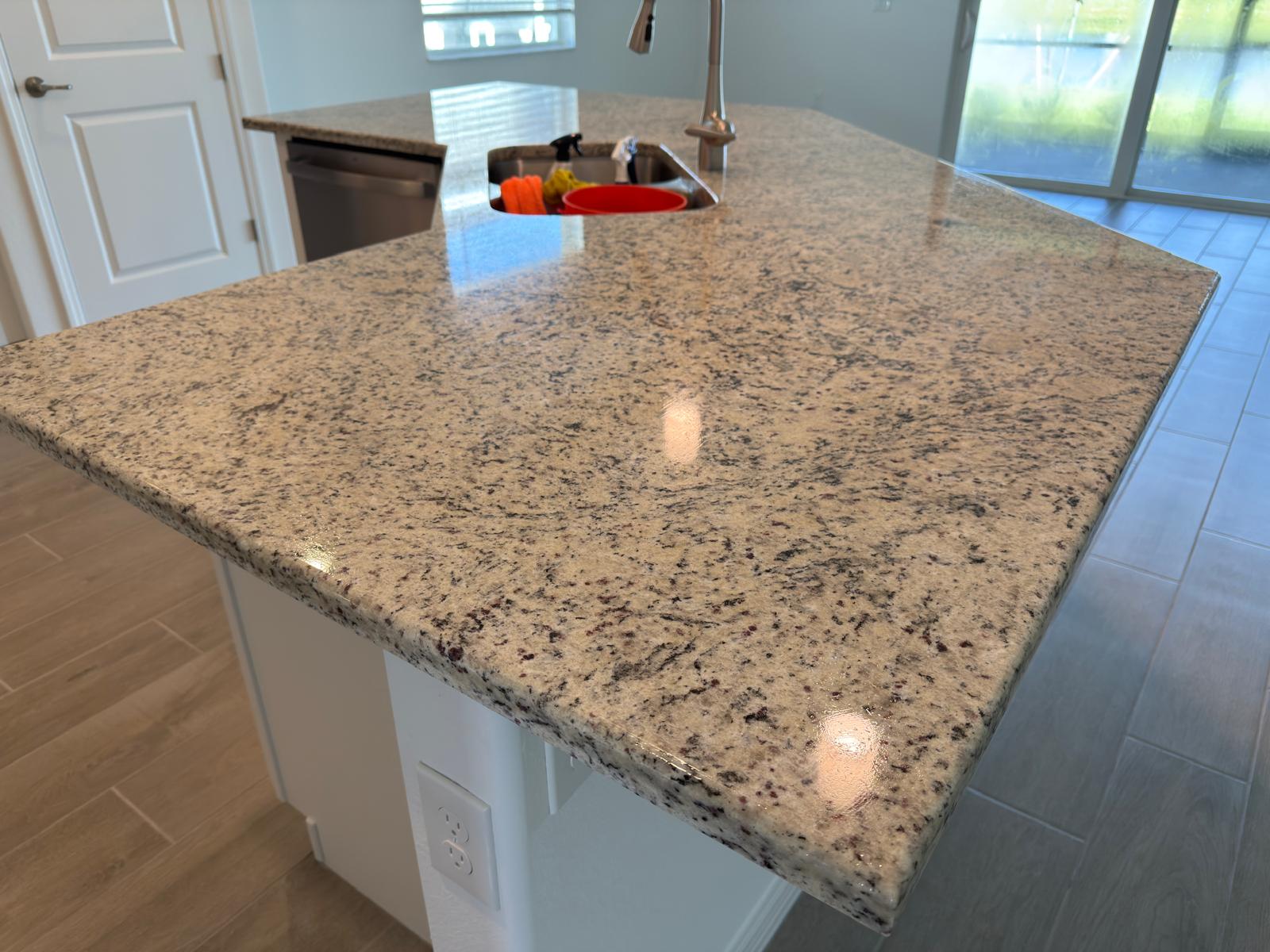
Granite: Generally needs to be resealed every 1 to 5 years, depending on the stone's color and density.
Projects Gallery
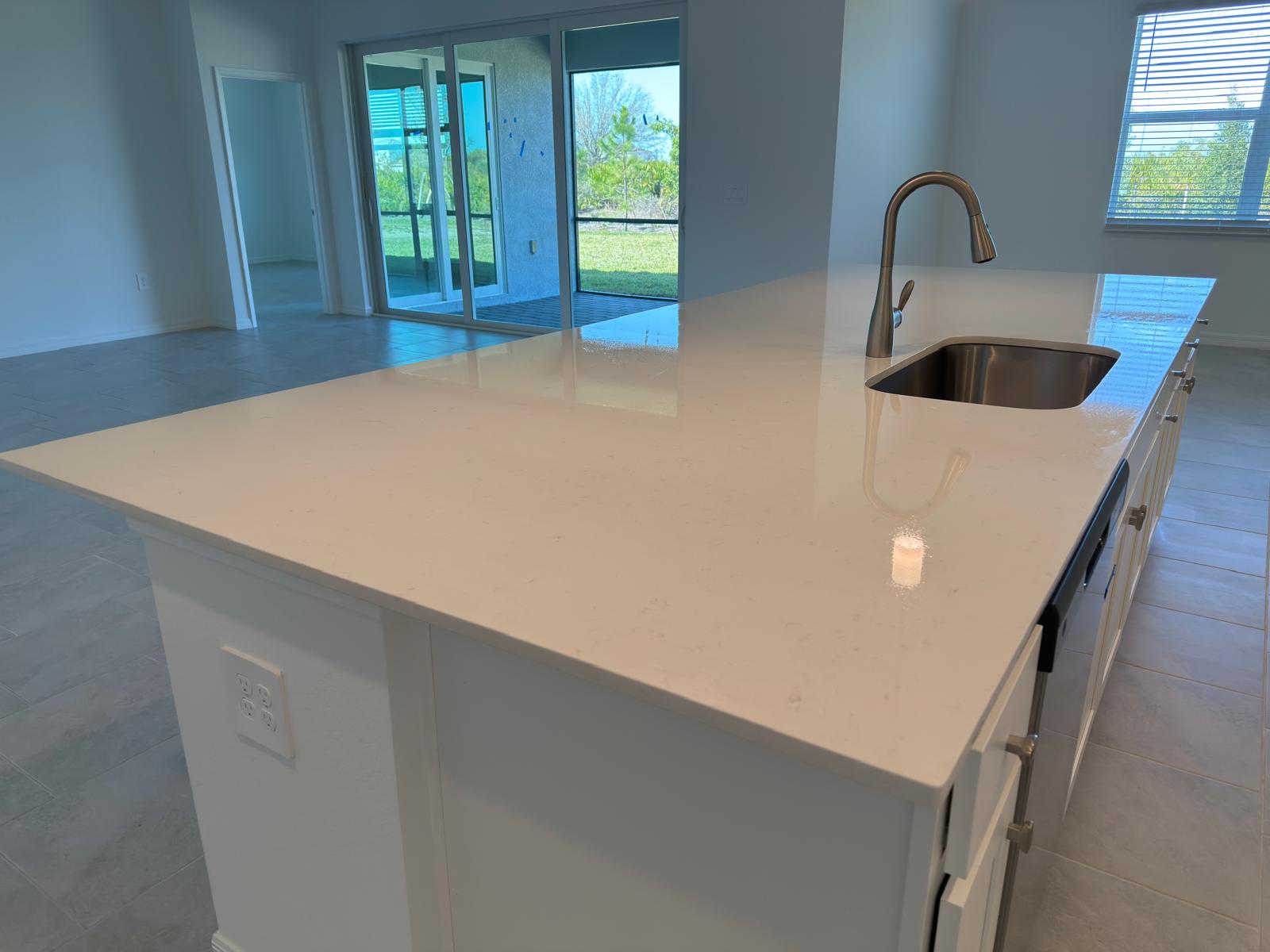
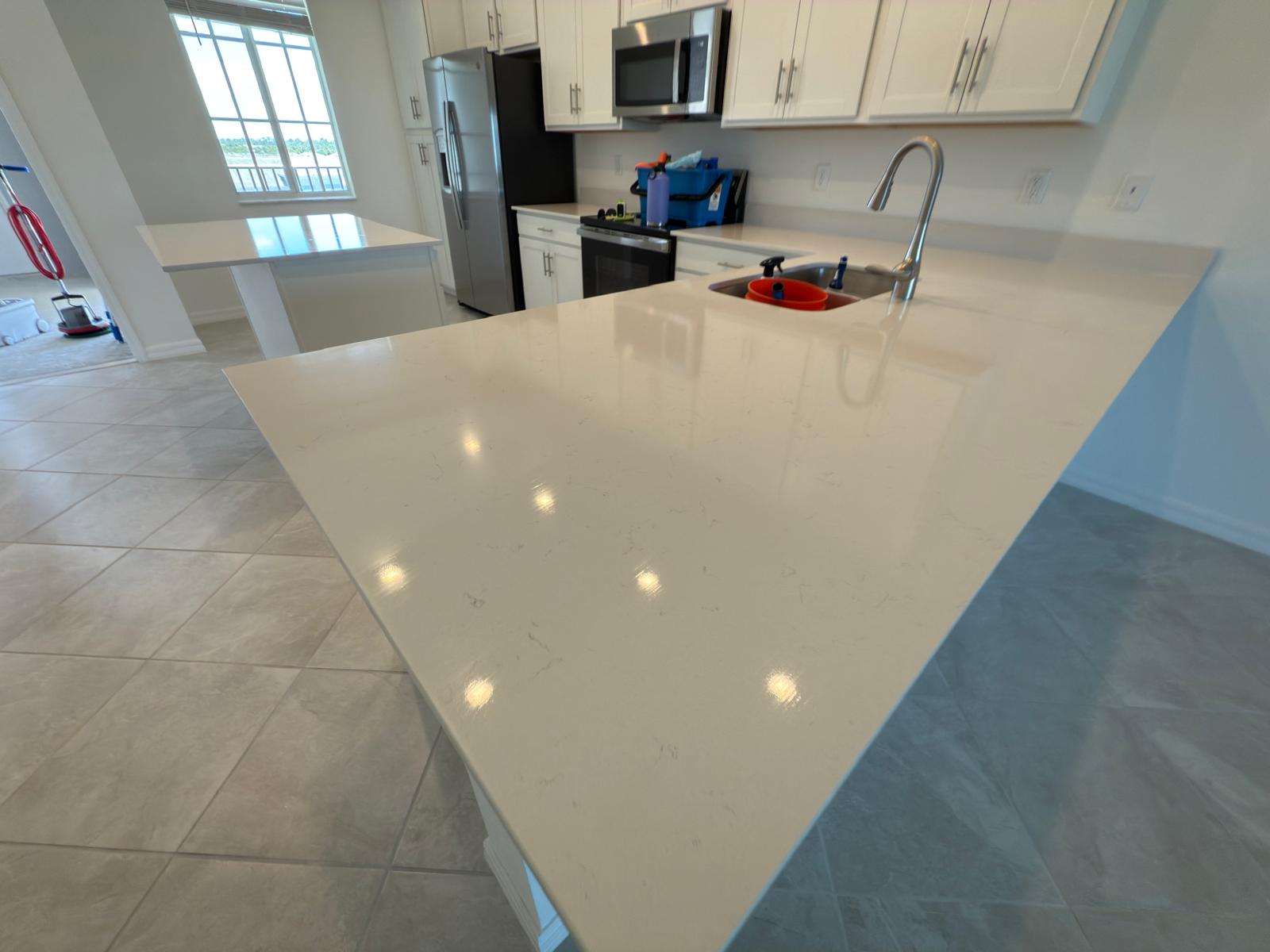
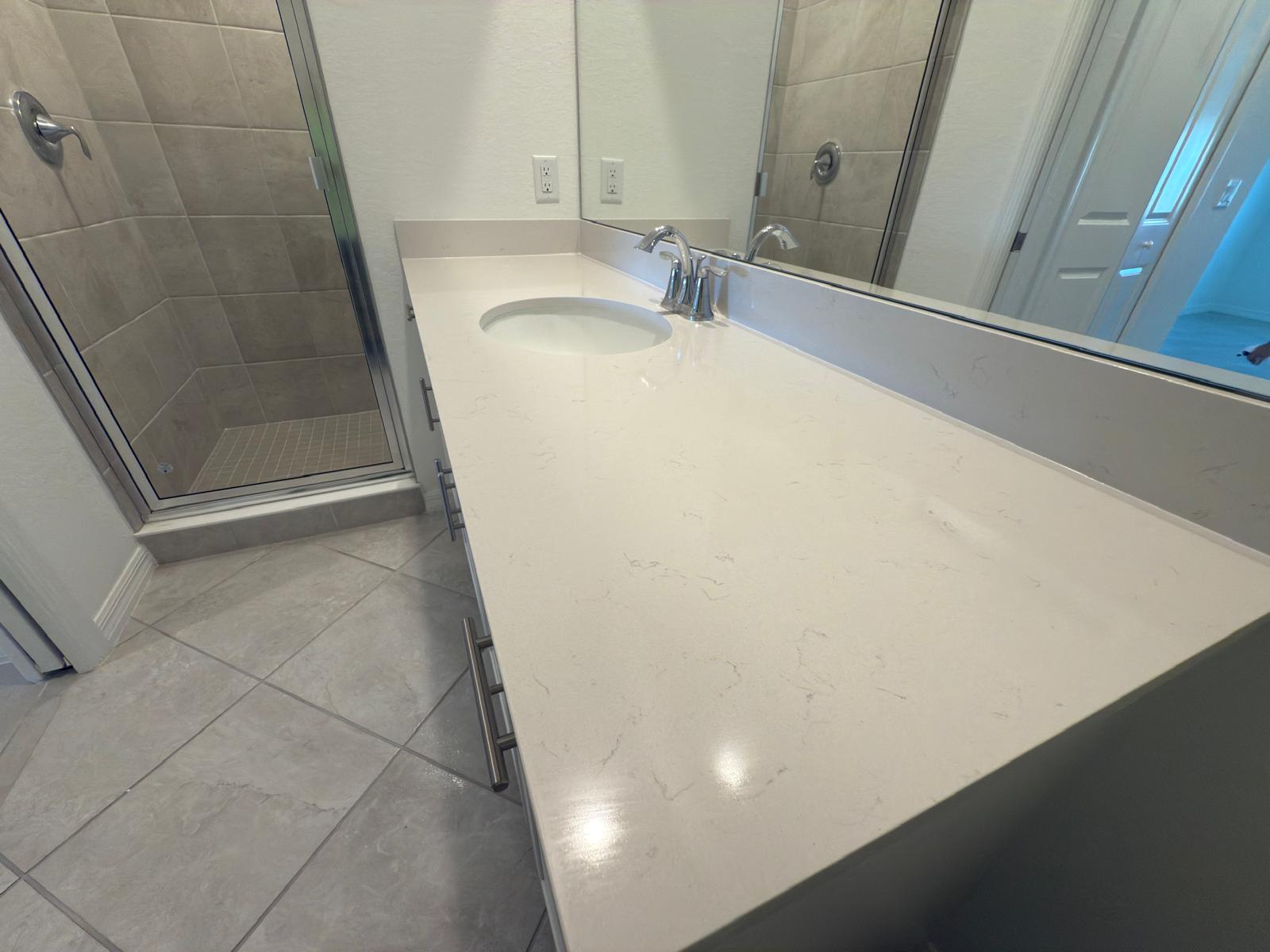
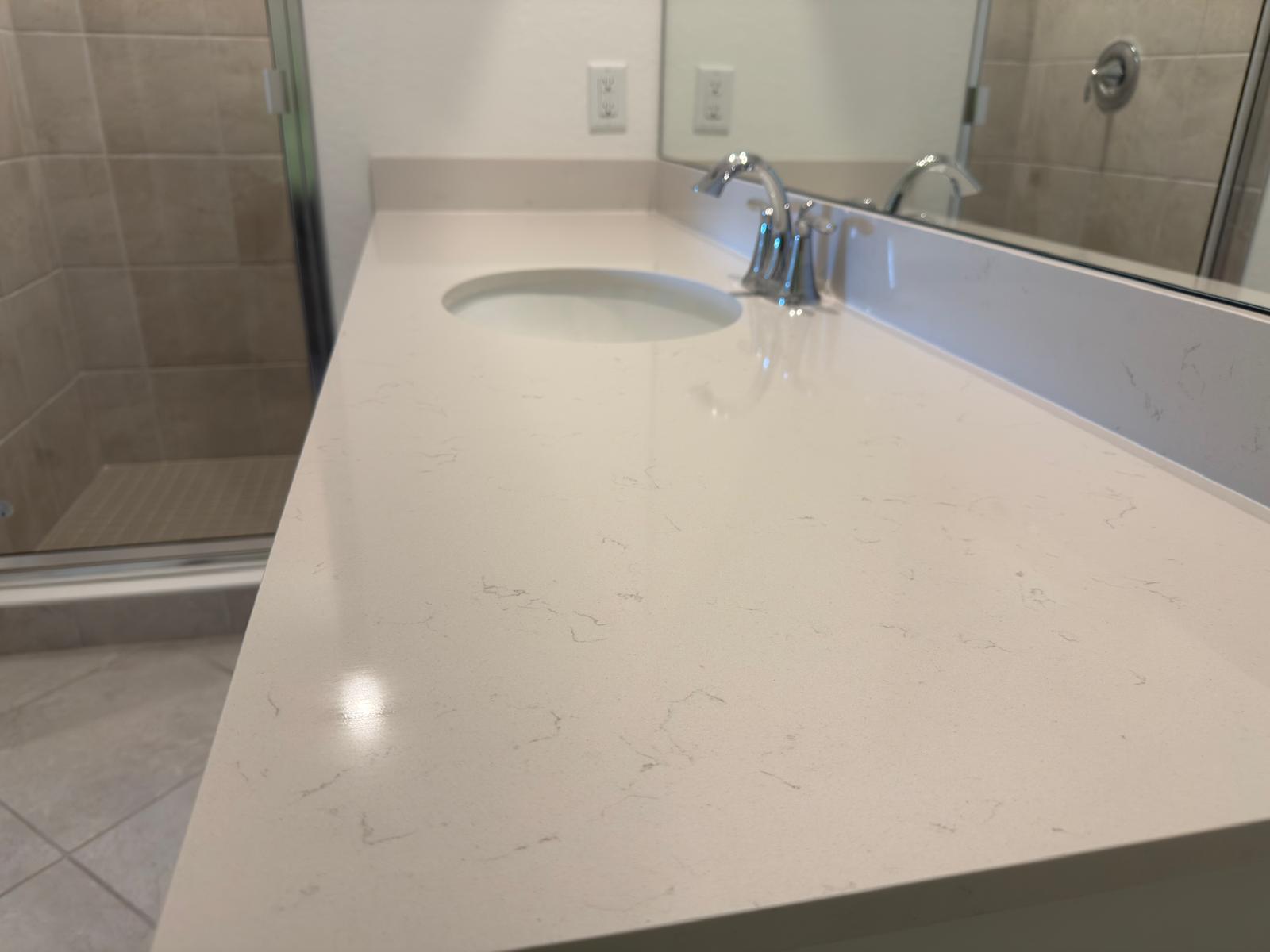
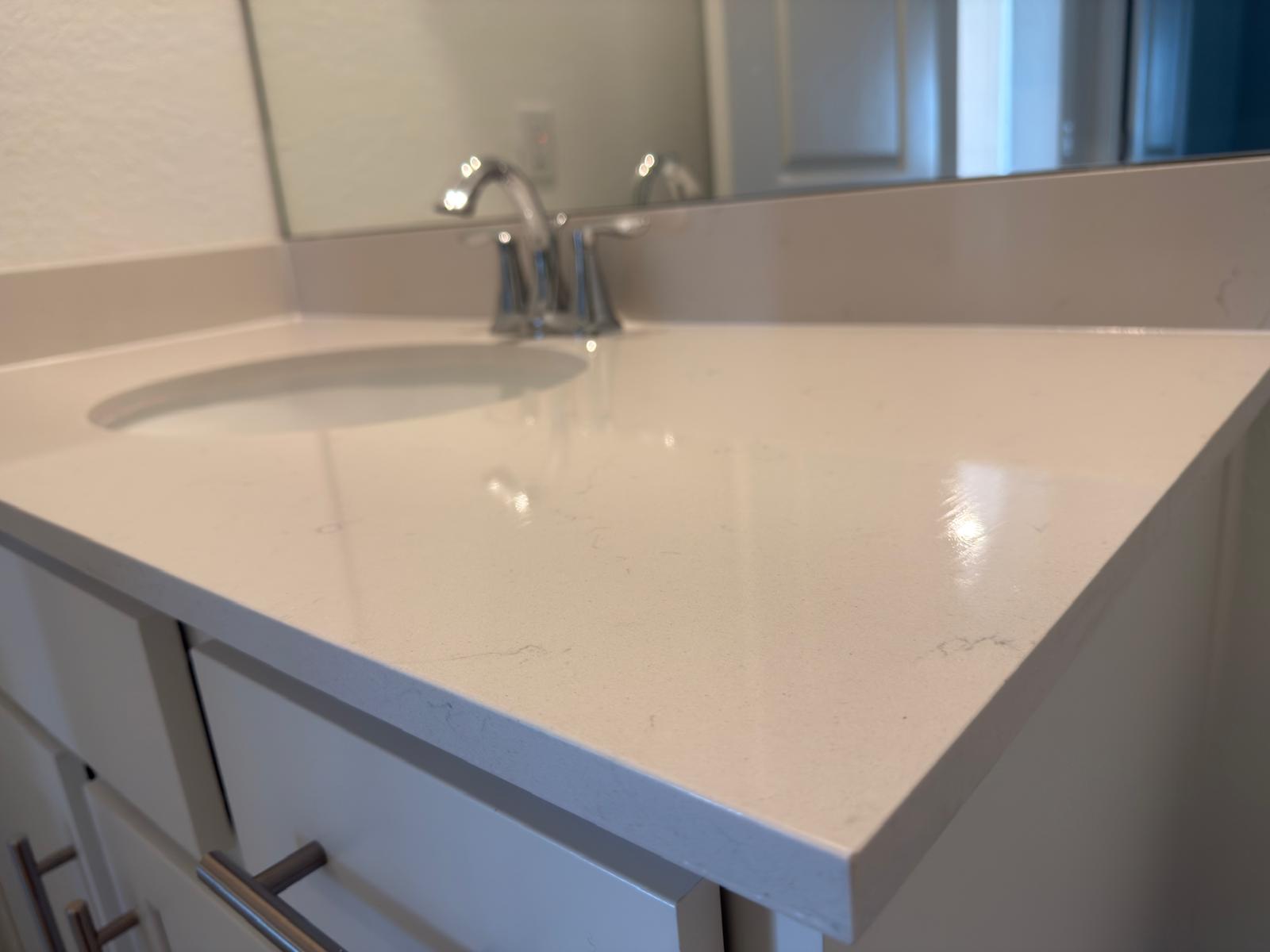
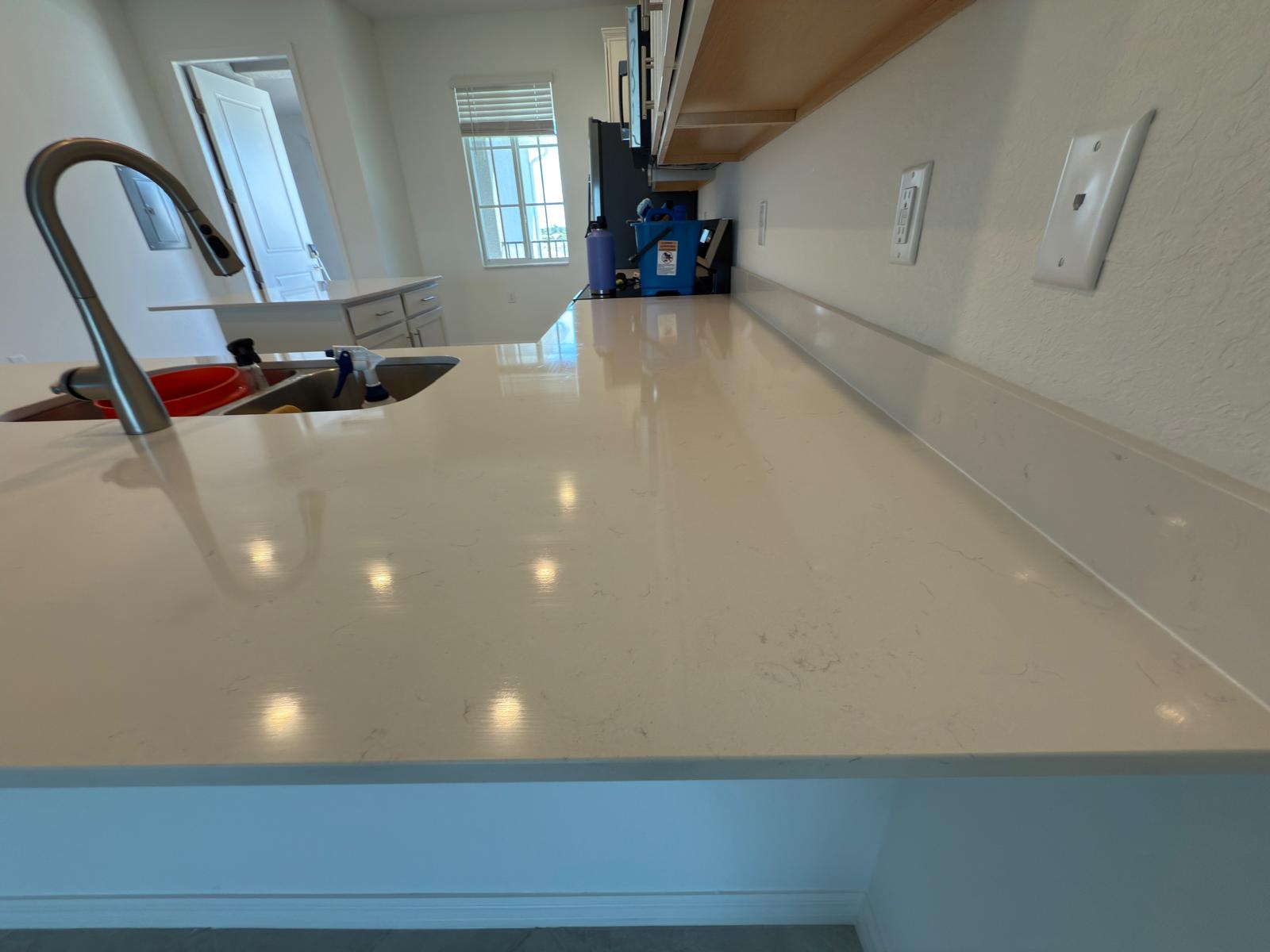
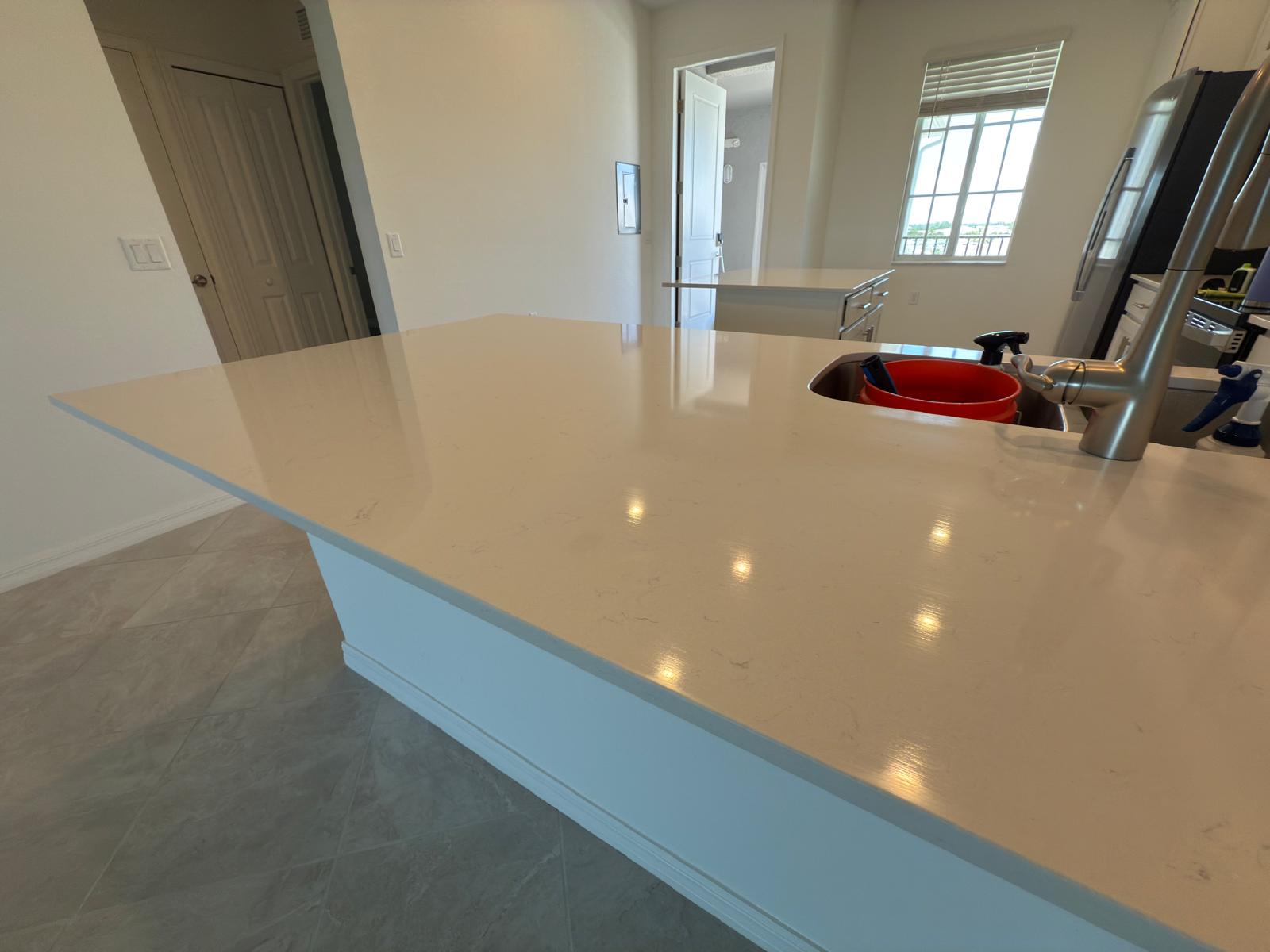
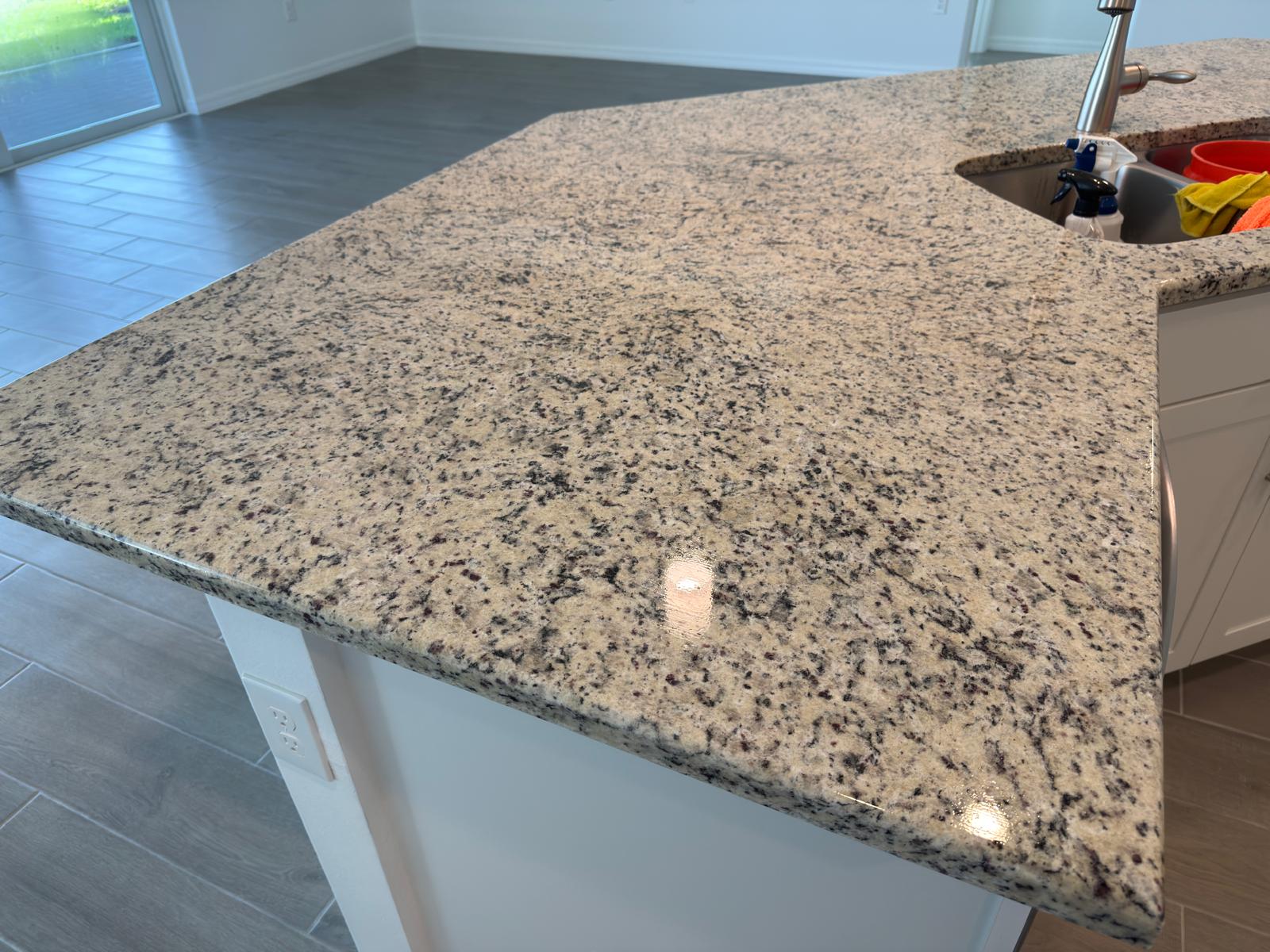
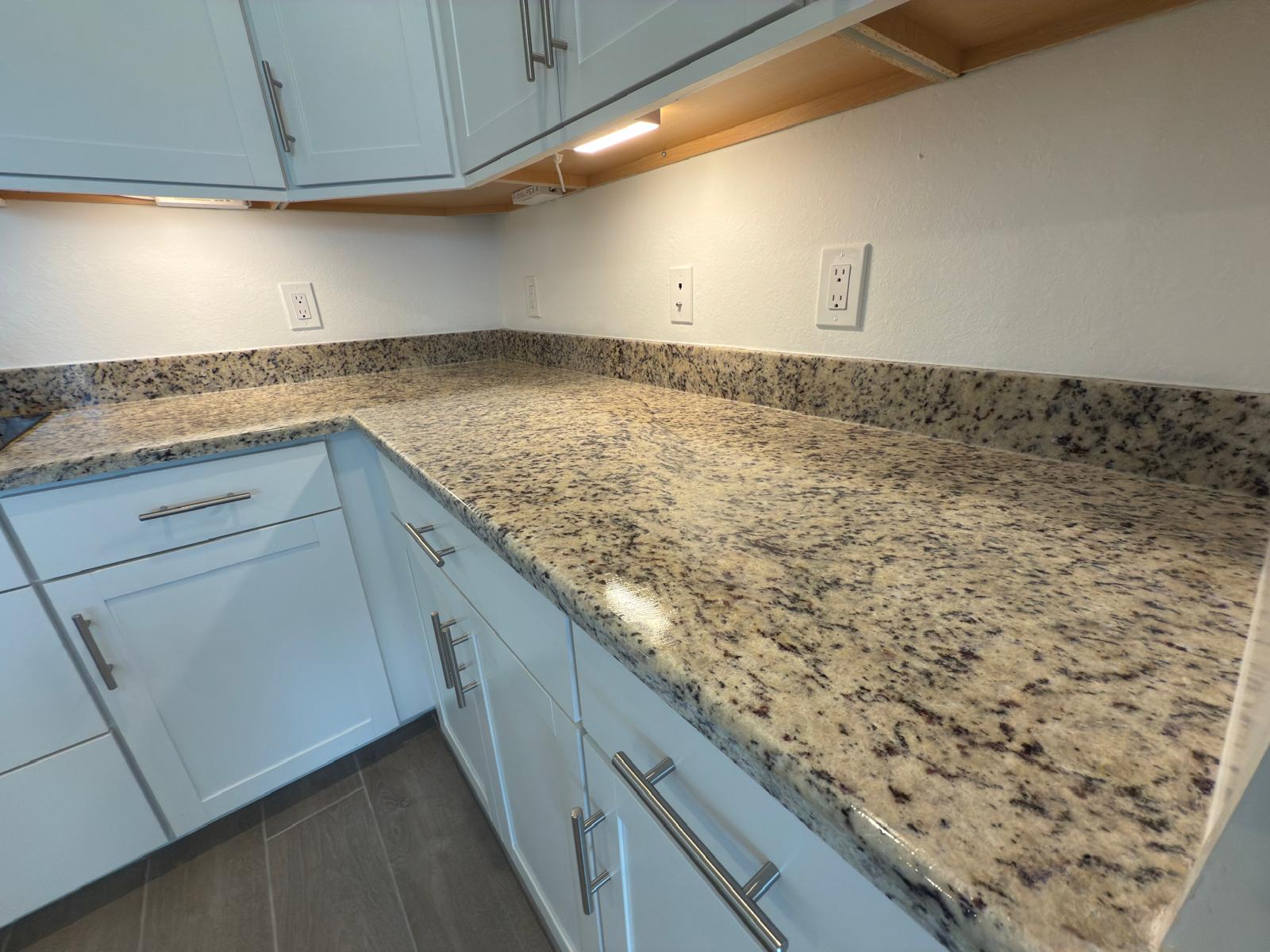
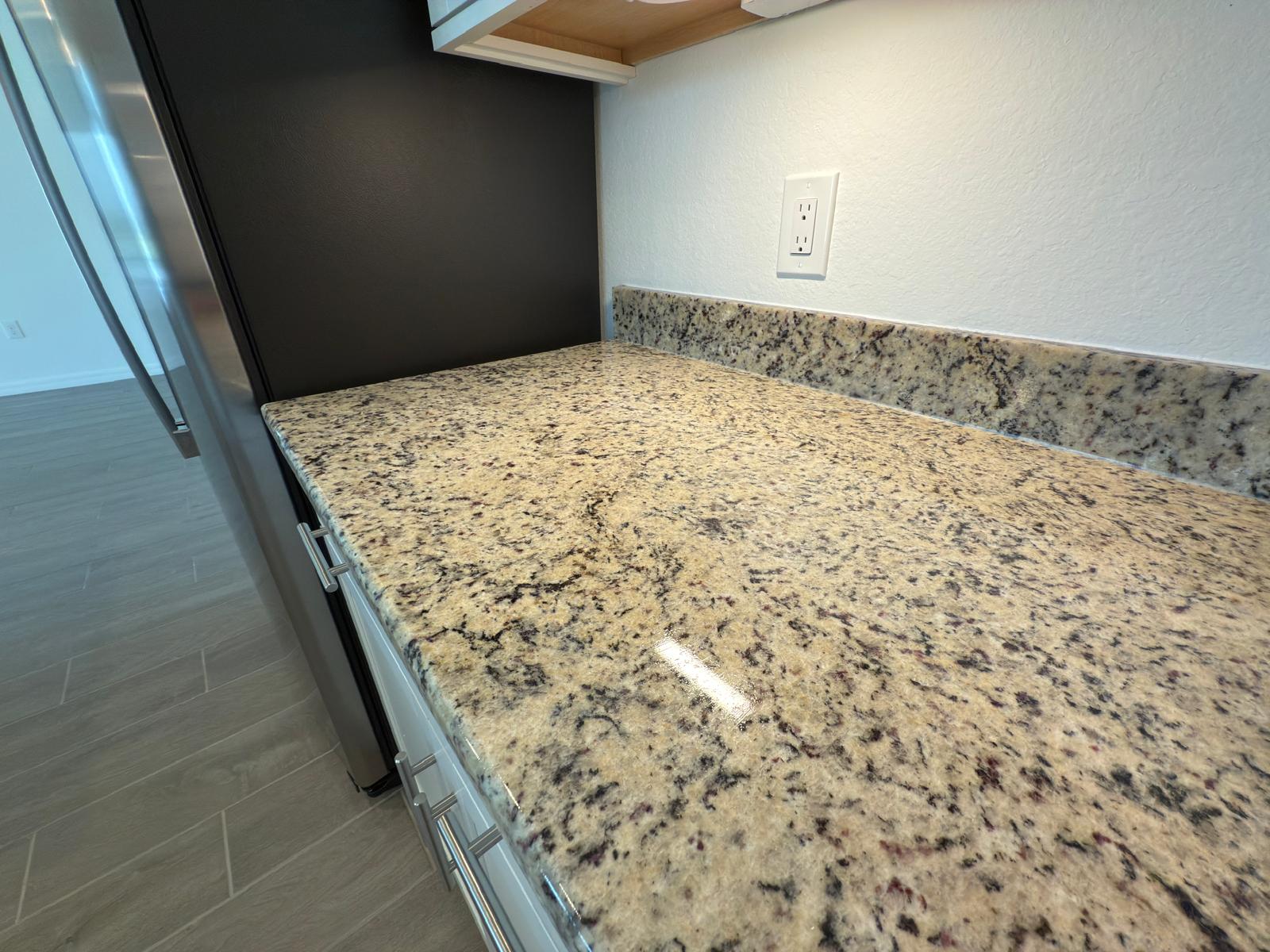
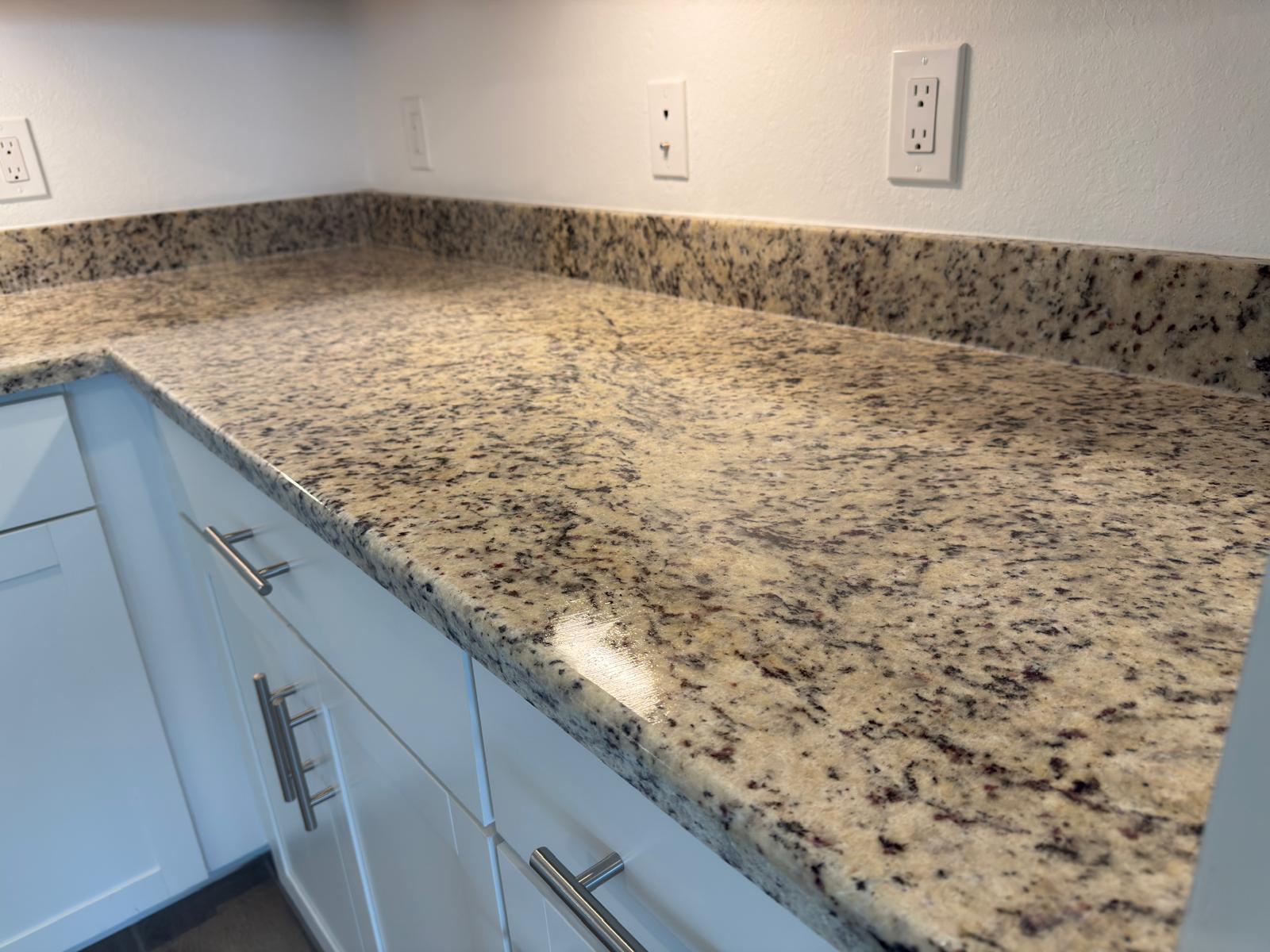
Showcasing our recent countertop sealing and restoration work. We focus on preserving the natural beauty and longevity of premium surfaces.


FAQs
Everything you need to know